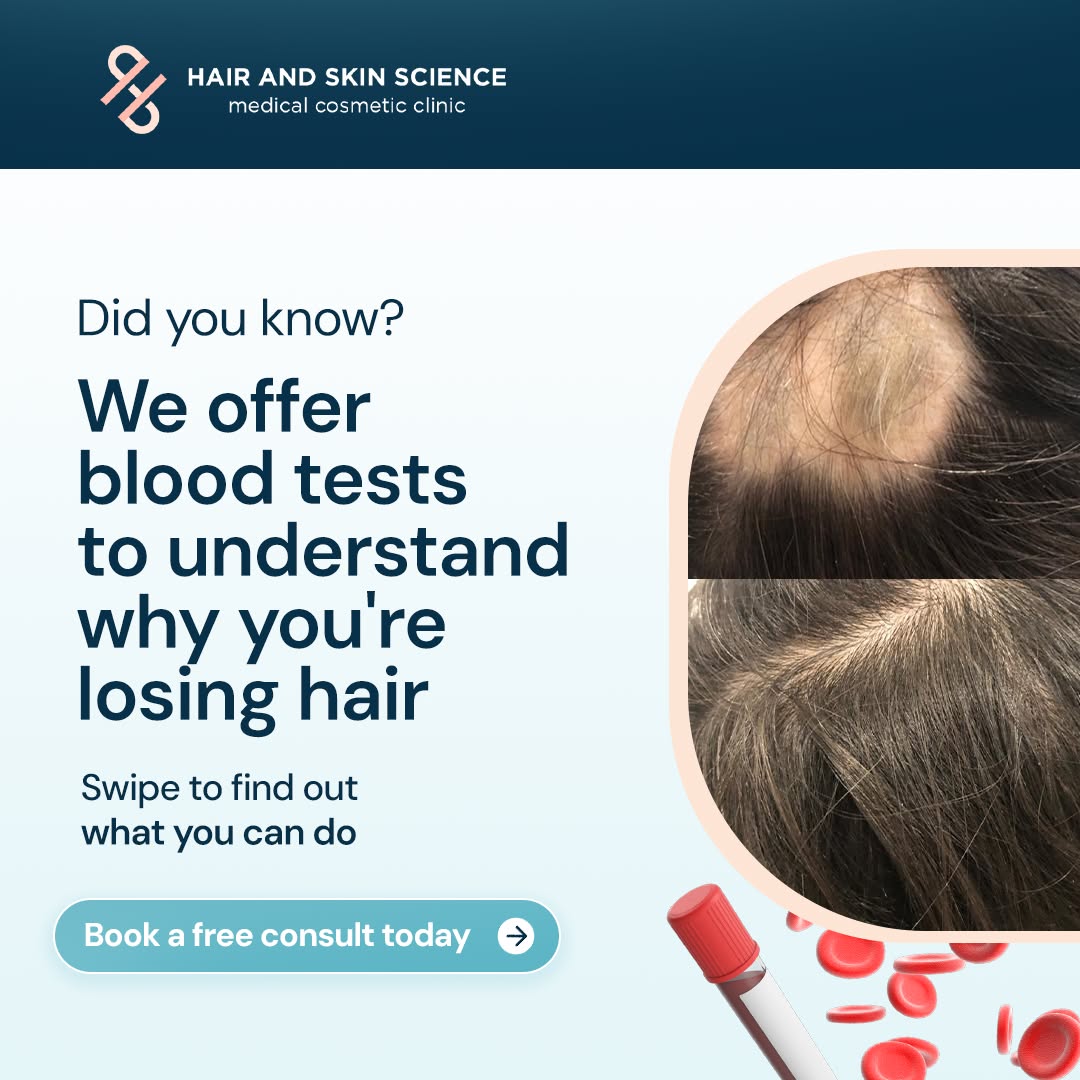
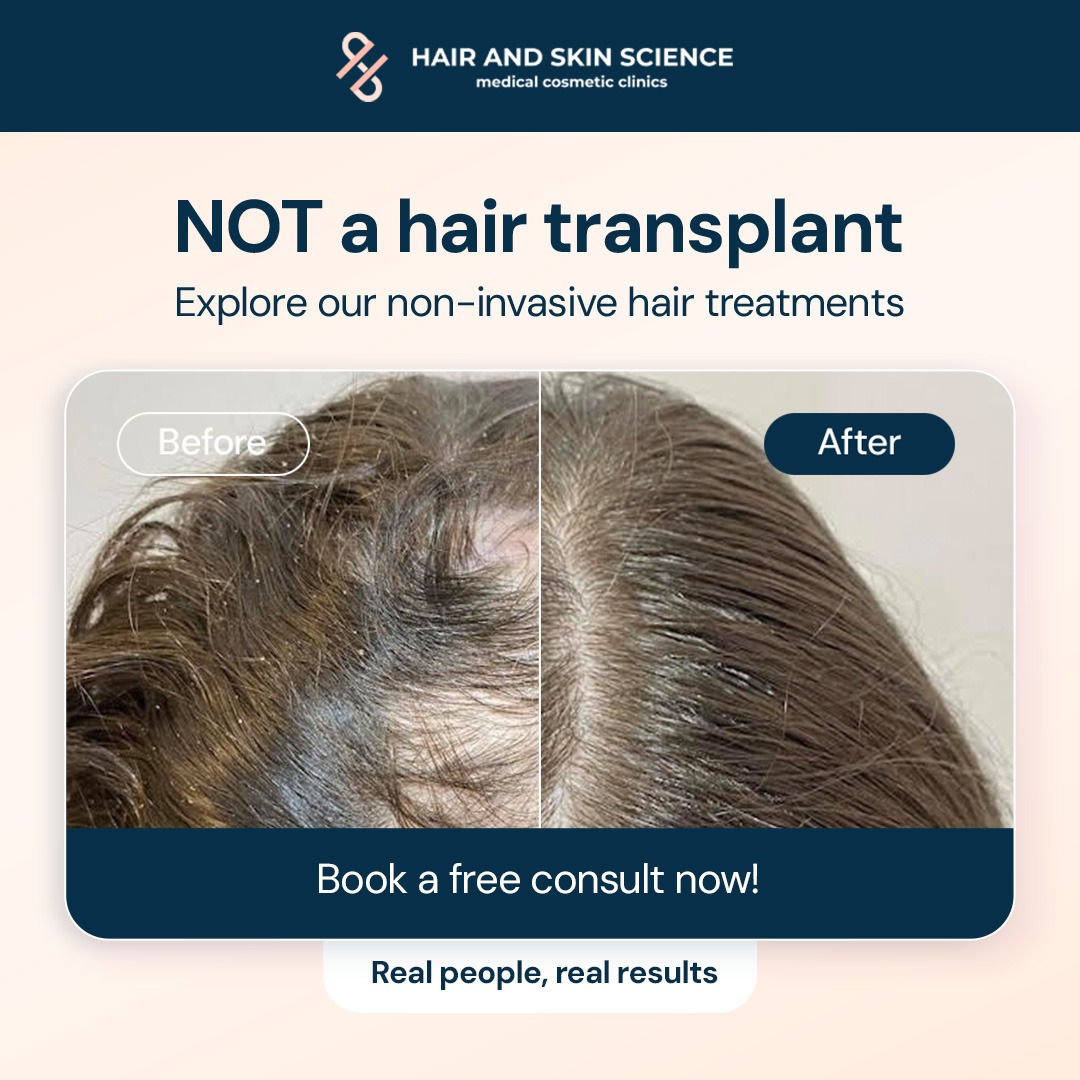
HSS is one of Australia’s leading providers of hair and skin treatments. They specialise in PRF and hair transplant services, with clinics across the country. When HSS partnered with Defiant, they had a steady flow of bookings. However, rising ad costs and inconsistent lead quality were impacting profitability. Their ad accounts were cluttered, creative testing was inefficient, and high no-show rates further reduced return on spend.
The HSS team needed to lower their CPA and improve funnel efficiency. We delivered a full-funnel strategy across Meta and Google to drive stronger, more sustainable growth whilst maximising spend efficiency.
Since partnering with HSS, our focus has always been on improving efficiency and lead quality across their paid media ecosystem. While bookings remained strong, the account lacked the creative scale, structured testing, and funnel optimisation needed to drive sustainable growth at lower costs. As we continued to deepen our partnership, new key challenges became clear:
HSS’s paid media mix lacked efficiency, with budgets spread across platforms that were not delivering quality leads. We restructured their channel approach by positioning Meta as a top-of-funnel awareness driver and scaling Google as the main bottom-of-funnel conversion engine. TikTok was paused due to low-quality traffic. This clearer channel separation improved lead quality and ensured that budgets were focused on the platforms that delivered real results.
Early campaigns relied on a limited range of creatives, which restricted testing and performance. We built a structured UGC system that introduced multiple creators and tested new messaging angles regularly. Winning hooks were re-filmed across different creators to avoid fatigue. Small but impactful creative learnings, like starting videos with close-up visuals, were applied across campaigns. This process allowed HSS to scale their creative output consistently while maintaining performance.
Due to APHRA regulations, HSS could not incentivise UGC creators for medical treatments. We pivoted to collecting authentic content from real clients who voluntarily shared their experiences. This approach complied with industry guidelines and produced genuine, trust-building content that continued to perform in paid channels.
Initial traffic was directed to a basic landing page that lacked depth. For a service that requires research and trust, this limited conversion potential. We shifted traffic to service pages that included more detailed information, testimonials, and clearer calls to action. This improved the user experience and boosted conversion rates from both paid search and social.